
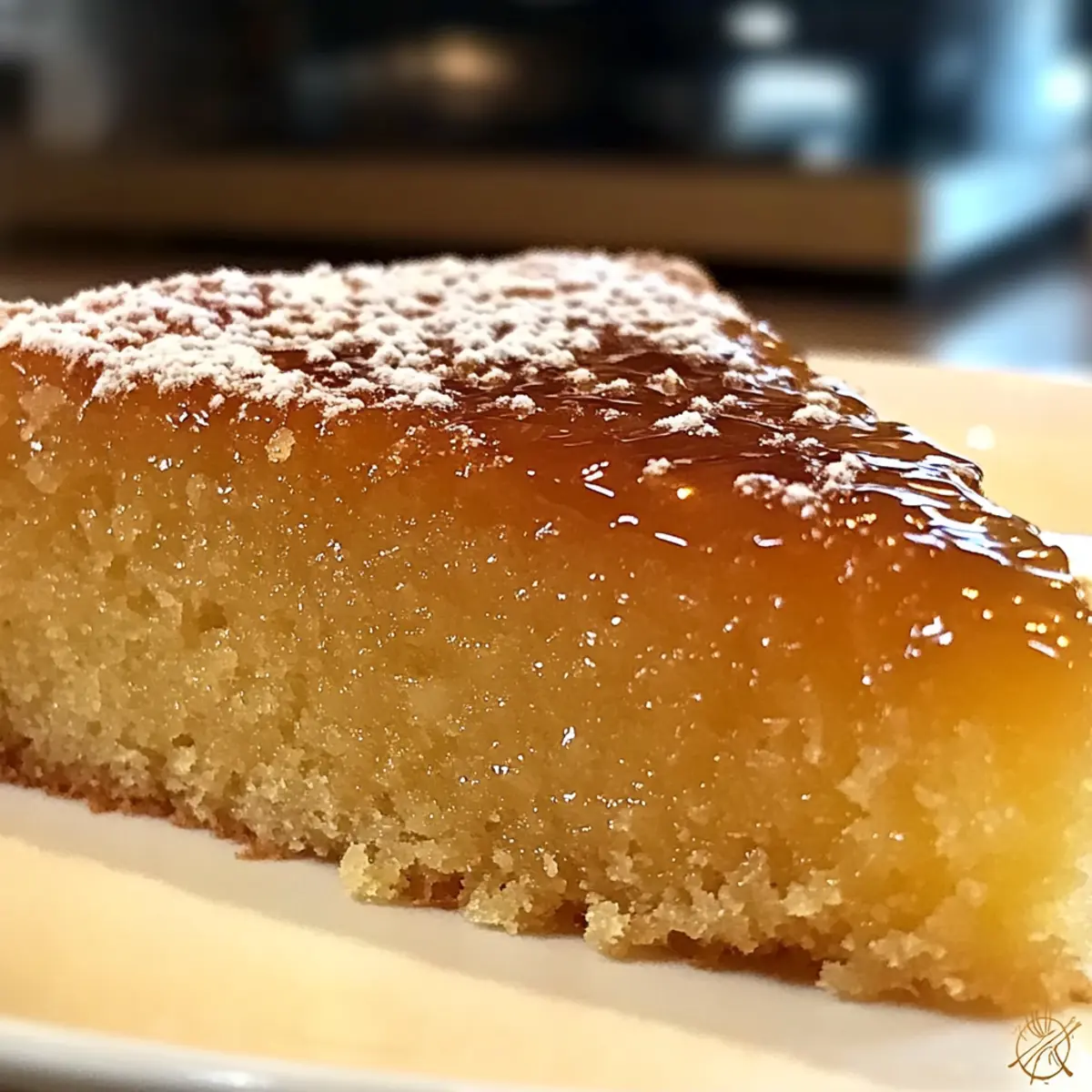
As I stood in my kitchen, the fragrant aroma of citrus and nuts began to transport me straight to a sun-soaked Greek island. That’s the magic of Greek Almond Cake, or Amygdalopita—a delightful Mediterranean dessert that’s not only naturally gluten-free but also incredibly simple to make. This moist and nutty cake is made with ground almonds, fresh citrus juice, and a luscious syrup that brings everything together in a blissful embrace. It’s the perfect addition to any gathering, whether you’re celebrating a special occasion or simply indulging yourself in a moment of comfort. With its versatility, you can easily adapt this recipe to be vegan or even healthier without sacrificing any of the rich flavors. So, are you ready to fill your space with warmth and sweetness? Let’s dive into the heart of this irresistible treat together!
Why is Greek Almond Cake so special?
Irresistible Flavor: This Greek Almond Cake is a harmonious blend of nutty almonds and fresh citrus, providing a dessert experience that’s both delightful and memorable.
Naturally Gluten-Free: Made primarily with ground almonds, this cake is perfect for those looking to avoid gluten without compromising on taste.
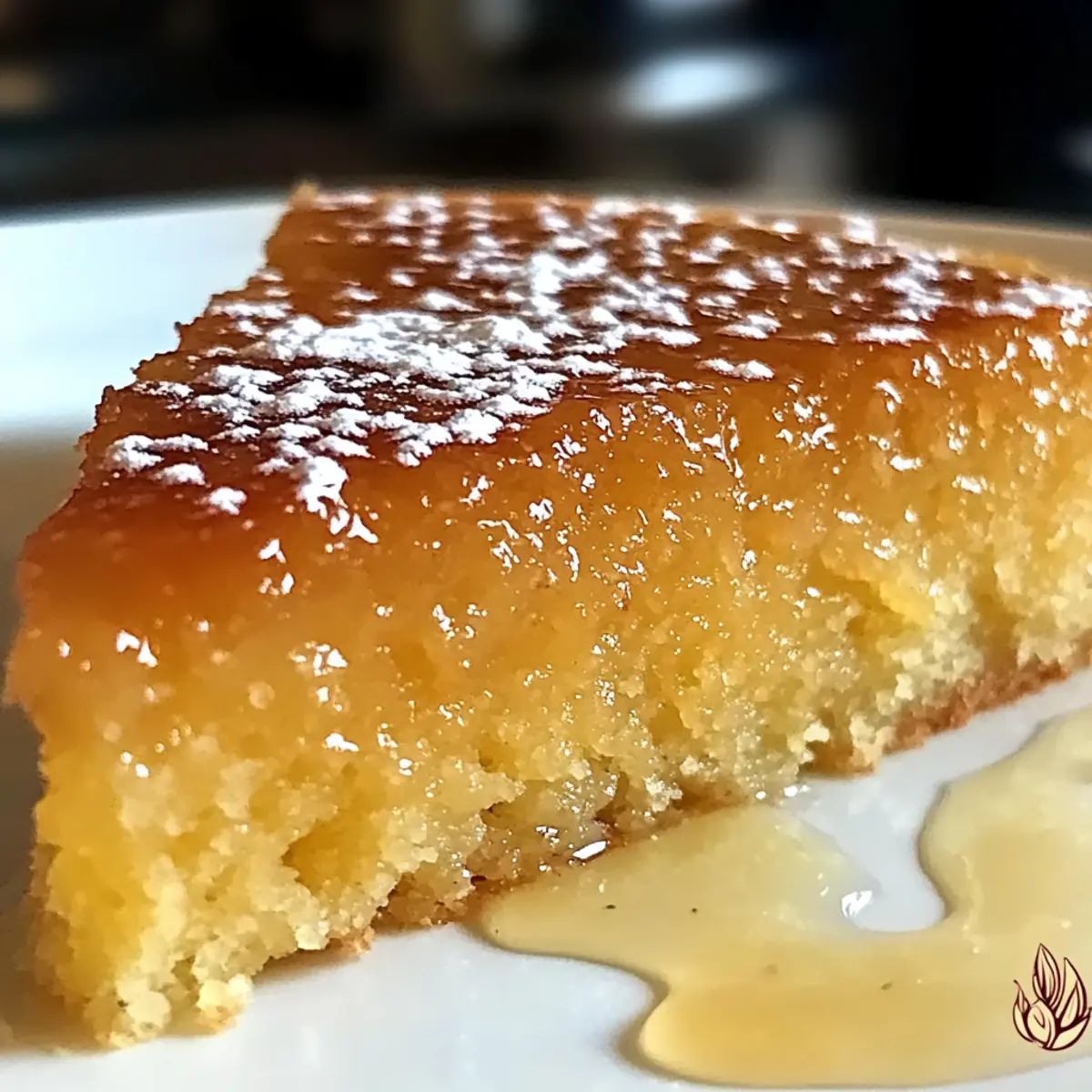
Syrup Soaked Goodness: The syrup takes this cake to new heights, resulting in a moist and luscious texture that melts in your mouth.
Versatile Options: With variations for vegan and healthier alternatives, everyone can enjoy this treat—adapt it to your preferences while keeping the flavors intact!
Perfect for Sharing: As a beloved staple for Greek celebrations, this cake is perfect for family gatherings or simply treating yourself. Just pair it with a cup of Greek coffee or your favorite ice cream for a delightful experience! For more delicious dessert ideas, check out these Turkey Cupcakes Festive for a fun twist on your treat table.
Greek Almond Cake Ingredients
For the Cake
- Ground Almonds – Adds rich, nutty flavor and moisture; substitute with almond flour for a gluten-free option.
- All-Purpose Flour – Provides structure; can be replaced by a gluten-free flour blend for a gluten-free version.
- Baking Powder – Leavens the cake, ensuring a light and fluffy texture.
- Cinnamon – Enhances flavor with warmth; optional if you prefer a milder cake.
- Salt – Balances sweetness and enhances overall flavor profile.
- Granulated Sugar – Sweetens the cake; can be substituted with honey or coconut sugar for a healthier choice.
- Eggs – Provides structure and moisture; for a vegan version, substitute with flaxseed meal, applesauce, or aquafaba.
- Olive Oil – Keeps the cake moist and adds depth; can be replaced with Greek yogurt for extra richness.
- Fresh Orange Juice – Adds citrusy brightness; may substitute with lemon juice for a tangy twist.
- Orange Zest – Enhances Mediterranean flavors; highly recommended for that extra pop.
- Vanilla Extract – Adds aromatic sweetness to the cake.
For the Syrup
- Granulated Sugar – Sweetens the syrup; can be substituted with honey for a natural alternative.
- Water – Forms the base of the syrup, helping everything come together.
- Cinnamon Stick – Infuses the syrup with warm spice; optional for added depth.
- Lemon Juice – Adds a subtle tang to balance the sweetness of the syrup.
Indulging in Greek Almond Cake is not just a treat; it’s a journey into the heart of Mediterranean flavors. Get ready to create this delightful dessert!
Step‑by‑Step Instructions for Greek Almond Cake
Step 1: Preheat the Oven
Begin by preheating your oven to 175°C (350°F). While the oven warms up, prepare a 9-inch round cake pan by greasing it with olive oil and dusting it with flour to ensure your Greek Almond Cake releases easily after baking. This prep makes all the difference for a perfect, moist cake!
Step 2: Mix Dry Ingredients
In a large mixing bowl, whisk together the ground almonds, all-purpose flour, baking powder, cinnamon, and salt. Ensure the dry ingredients are combined thoroughly, with no lumps remaining, which will help create a light and fluffy texture in your cake. This step sets the foundation for the rich nutty flavor to shine through!
Step 3: Beat Wet Ingredients
In a separate bowl, combine the granulated sugar, eggs, olive oil, fresh orange juice, orange zest, and vanilla extract. Using a hand mixer or whisk, beat until the mixture becomes smooth and creamy, taking about 2-3 minutes. This luscious blend will add moisture and depth to your Greek Almond Cake.
Step 4: Combine Mixtures
Gently fold the dry ingredients into the wet mixture using a spatula. Be careful not to overmix; just until the ingredients are combined to retain a light texture. The batter might be thick, but this is perfect as it ensures a rich consistency in your cake.
Step 5: Bake the Cake
Pour the batter into your prepared cake pan, spreading it into an even layer. Place the pan in the preheated oven and bake for 30-35 minutes. You’ll know the Greek Almond Cake is ready when a toothpick inserted into the center comes out clean and the edges begin to slightly pull away from the pan.
Step 6: Prepare the Syrup
While the cake is baking, prepare the syrup by combining granulated sugar, water, a cinnamon stick, and lemon juice in a small saucepan. Heat the mixture over medium heat, stirring until the sugar fully dissolves, then simmer for about 5 minutes. Remove from heat and set aside to cool slightly for the perfect soak.
Step 7: Soak the Cake
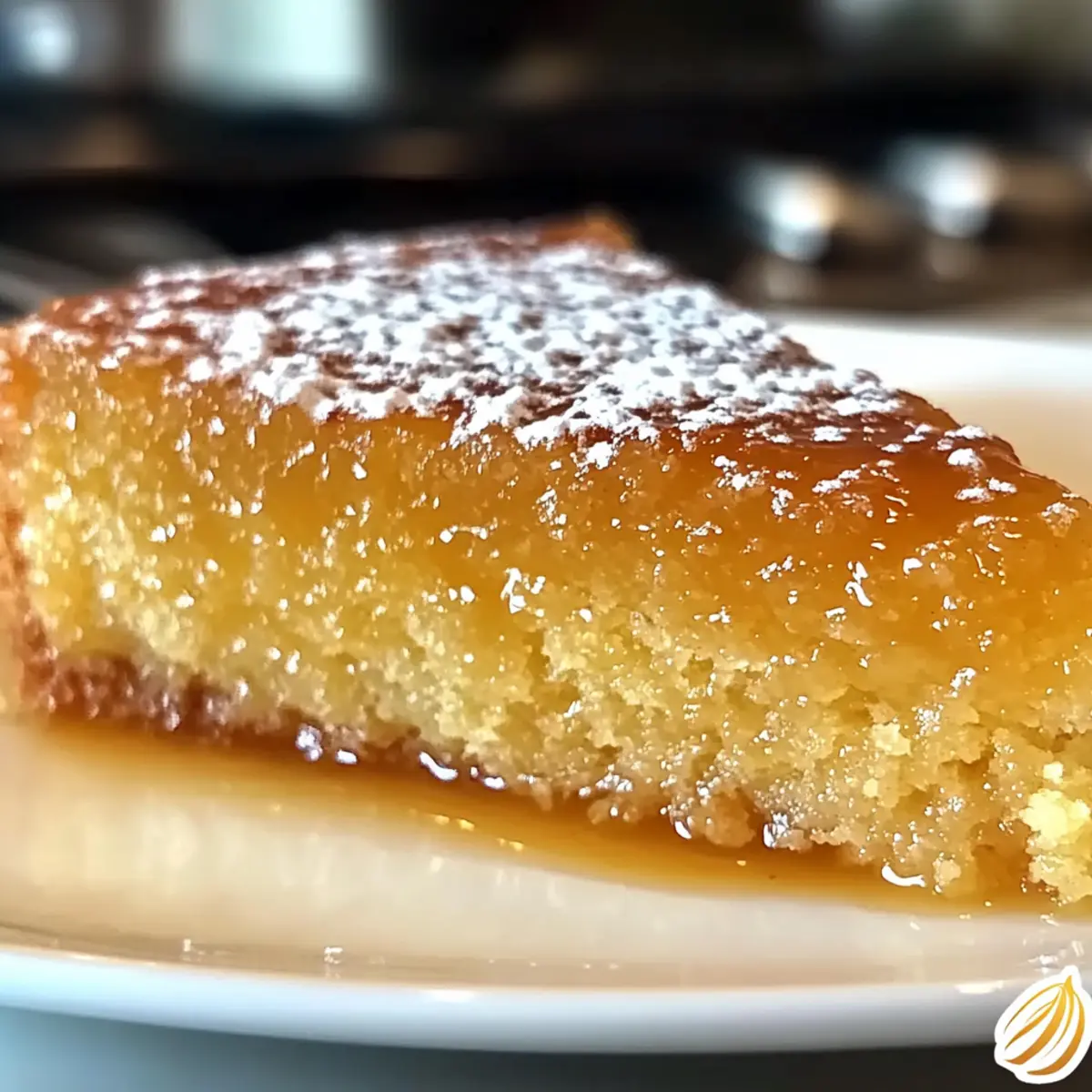
Once the cake is out of the oven, let it cool in the pan for about 10 minutes. Carefully pour the warm syrup evenly over the top while the cake is still in the pan. This allows the syrup to soak into the cake, ensuring that every bite is infused with delightful moisture and flavor.
Step 8: Cool & Serve
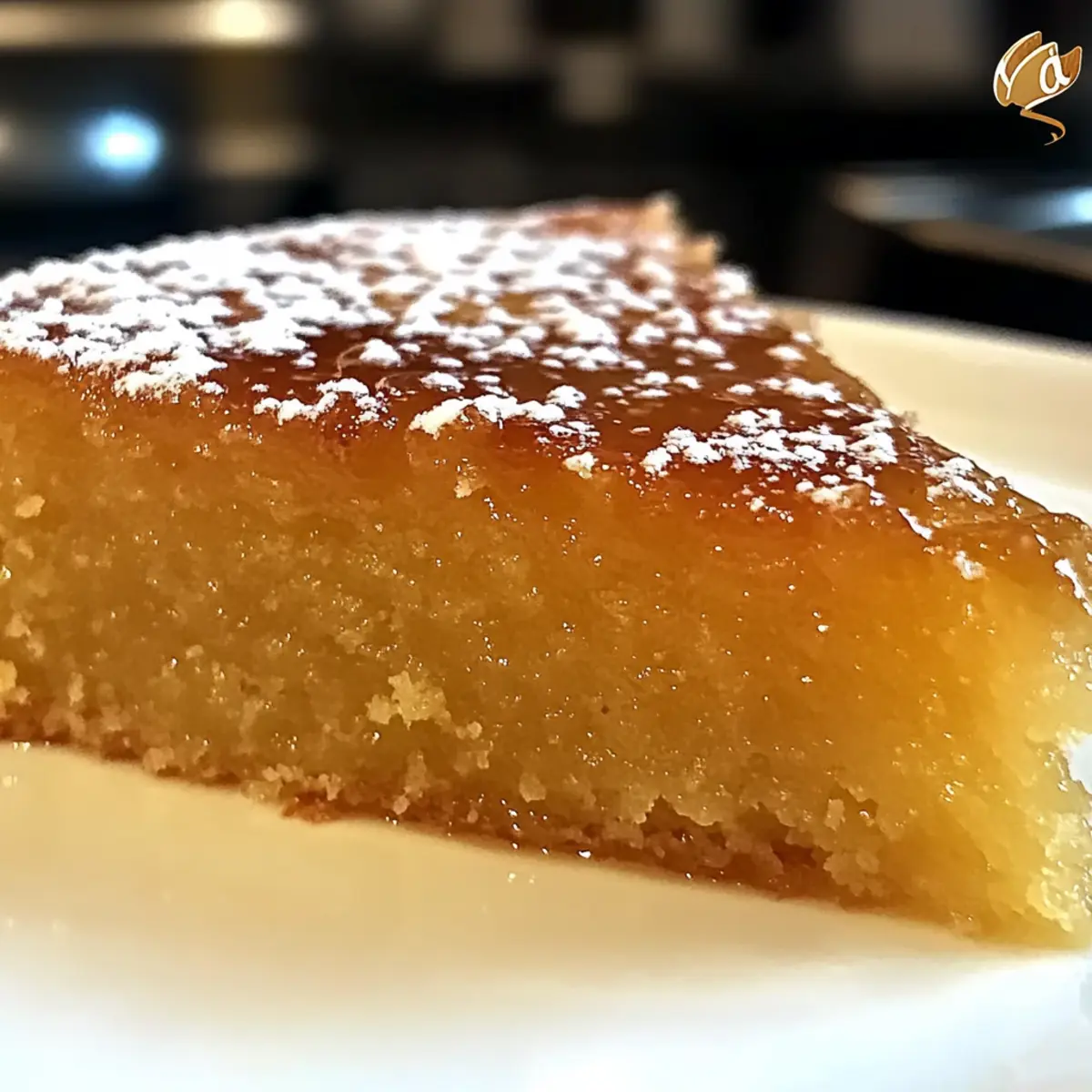
After the syrup has soaked in, remove the cake from the pan and allow it to cool completely on a wire rack. This step is crucial for achieving the best texture and flavor. Once cooled, slice the cake and serve as is, or dust with powdered sugar or slivered almonds for an added touch of elegance.
Greek Almond Cake Customization Ideas
Personalizing your Greek Almond Cake is a wonderful way to enhance its delightful flavors and textures. Let’s explore some tasty twists!
-
Gluten-Free: Substitute all-purpose flour with a gluten-free blend to keep your cake light and delicious without gluten.
-
Vegan: For a plant-based version, use flaxseed meal or applesauce instead of eggs, and replace olive oil with Greek yogurt or coconut oil for substituted moisture.
-
Nut Variations: Swap out ground almonds for other nuts like hazelnuts or pistachios for a unique flavor twist that’s just as enticing.
-
Swapping Sweeteners: Try using honey or coconut sugar in place of granulated sugar for a more natural sweetness that perfectly complements the cake.
-
Citrus Switch: Experiment with lemon juice instead of orange juice, giving a zesty kick to your cake while maintaining that lovely citrus essence.
-
Chocolate Delight: Add cocoa powder or mini chocolate chips for a luscious chocolate version of this cake, making it a delightful treat for chocolate lovers.
-
Fruity Additions: Toss in some dried fruits, such as raisins or apricots, to add bursts of sweetness and extra texture that elevate the cake’s charm.
-
Spice Up the Flavor: Enhance the warmth by incorporating cardamom or nutmeg along with or in place of cinnamon for a twist on traditional spices.
If you’re inspired to try these variations, you might also enjoy making Turkey Cupcakes Festive for a fun dessert at your next gathering!
What to Serve with Greek Almond Cake
As you indulge in the sweet, nutty flavors of this Mediterranean delight, consider complementing it with these delicious pairings to create a complete and satisfying meal experience.
- Greek Coffee: The bold, rich flavors of Greek coffee provide a perfect contrast to the syrupy sweetness of the cake, enhancing its nutty notes.
- Black Tea: A warm cup of black tea delivers a hint of bitterness that balances the sweetness, making every bite feel complete.
- Vanilla Ice Cream: Creamy vanilla ice cream adds a delightful chill and softness to each mouthful, creating a beautiful texture contrast.
- Fresh Berries: Garnishing with plump, juicy berries not only brings a splash of color but also an added layer of freshness that harmonizes with the cake’s flavors.
- Whipped Cream: Light and airy whipped cream offers a sweet yet simple topping, enriching the cake’s moistness without overwhelming it.
- Raisin Compote: A sweet raisin compote can provide a chewy texture and fruity burst, making each forkful even more delightful.
Pair these options with your Greek Almond Cake for a memorable gathering that envelops your guests in warmth and flavor!
How to Store and Freeze Greek Almond Cake
Room Temperature: Store the Greek Almond Cake in an airtight container at room temperature for up to 3 days to maintain its moist texture.
Fridge: If you want to keep the cake for longer, refrigerate it in an airtight container for up to a week. Just remember to let it come to room temperature before serving.
Freezer: You can freeze slices of the cake for up to 3 months. Wrap them tightly in plastic wrap followed by aluminum foil to prevent freezer burn.
Reheating: When ready to enjoy, thaw in the fridge overnight and warm in the microwave or enjoy at room temperature for a delightful treat!
Make Ahead Options
These Greek Almond Cake preparations are perfect for those busy weeknights when you need to save time! You can prepare the batter up to 24 hours in advance—simply mix the dry and wet ingredients separately and store them in the refrigerator until you’re ready to bake. The baked cake can be kept at room temperature for up to 3 days or refrigerated for up to a week if stored in an airtight container to preserve moisture. When ready to serve, soak the cooled cake with syrup as instructed, and you’ll have the same delicious flavor and texture as if it were freshly made! Enjoy the ease of having this delightful treat ready to impress your family or guests!
Tips for the Best Greek Almond Cake
-
Avoid Overmixing: Gently combine wet and dry ingredients to keep your Greek Almond Cake light and fluffy. Stop mixing as soon as everything is incorporated.
-
Choose Fine Almonds: For the best flavor and texture, use finely blanched ground almonds. Grinding too long can turn them into almond butter, altering your cake’s consistency.
-
Syrup Soaking: Pour the syrup over a warm cake for optimal absorption. This will ensure your cake remains moist and flavorful, capturing the essence of this delightful dessert.
-
Storage Tips: Keep your cake in an airtight container at room temperature for up to 3 days. For longer storage, refrigerate or freeze slices wrapped tightly.
-
Add Your Twist: Experiment with variations by adding cocoa powder for a chocolatey flavor or incorporating dried fruits for extra sweetness and texture—make it your own!
Greek Almond Cake (Amygdalopita) Recipe FAQs
How do I choose ripe ingredients for Greek Almond Cake?
Absolutely! For the best flavors, select ground almonds that are finely blanched and fresh—check packaging dates for freshness. When using orange juice, choose oranges that are heavy for their size, indicating juiciness. Look for firm eggs without cracks to ensure quality!
How should I store leftover Greek Almond Cake?
I recommend storing the Greek Almond Cake in an airtight container at room temperature for up to 3 days. If you’re looking to keep it longer, refrigerate it for up to a week. Just remember to let it come to room temperature before serving for the best texture!
Can I freeze Greek Almond Cake, and if so, how?
Very! You can freeze slices of this delightful cake for up to 3 months. Wrap each slice tightly in plastic wrap, followed by aluminum foil to lock in freshness. When you’re ready to enjoy, simply thaw them in the fridge overnight.
What if my cake is too dense or dry after baking?
If your cake turns out denser than expected, it’s likely due to overmixing or too much flour. Always measure flour correctly by spooning it into the measuring cup and leveling it off. If your cake is dry, ensure you soak it thoroughly with syrup while it’s warm since that adds moisture back into the cake.
Is Greek Almond Cake suitable for those with nut allergies?
Not at all! Since the primary ingredient is ground almonds, those with nut allergies will need to seek alternative recipes. Consider making a different cake using rice flour and applesauce to mimic the texture, but in a nut-free version.
What dessert pairings go well with Greek Almond Cake?
Oh, the more the merrier! I often serve this cake alongside Greek coffee or black tea. It also pairs wonderfully with a scoop of vanilla ice cream or a dollop of whipped cream for an added touch of indulgence! Enjoying it with a sweet dessert wine on special occasions always elevates the experience.
Irresistibly Moist Greek Almond Cake: A Mediterranean Treat
Ingredients
Equipment
Method
- Preheat your oven to 175°C (350°F) and prepare a 9-inch round cake pan by greasing it with olive oil and dusting it with flour.
- In a large mixing bowl, whisk together the ground almonds, all-purpose flour, baking powder, cinnamon, and salt until combined.
- In a separate bowl, beat the granulated sugar, eggs, olive oil, fresh orange juice, orange zest, and vanilla extract until smooth and creamy.
- Gently fold the dry ingredients into the wet mixture until just combined, being careful not to overmix.
- Pour the batter into the prepared cake pan and bake for 30-35 minutes, or until a toothpick comes out clean.
- Prepare the syrup by combining granulated sugar, water, a cinnamon stick, and lemon juice in a saucepan and simmering for 5 minutes.
- Once the cake is out of the oven, let it cool for 10 minutes, then pour warm syrup evenly over the top.
- Remove the cake from the pan and allow it to cool completely on a wire rack before slicing and serving.
Leave a Reply