
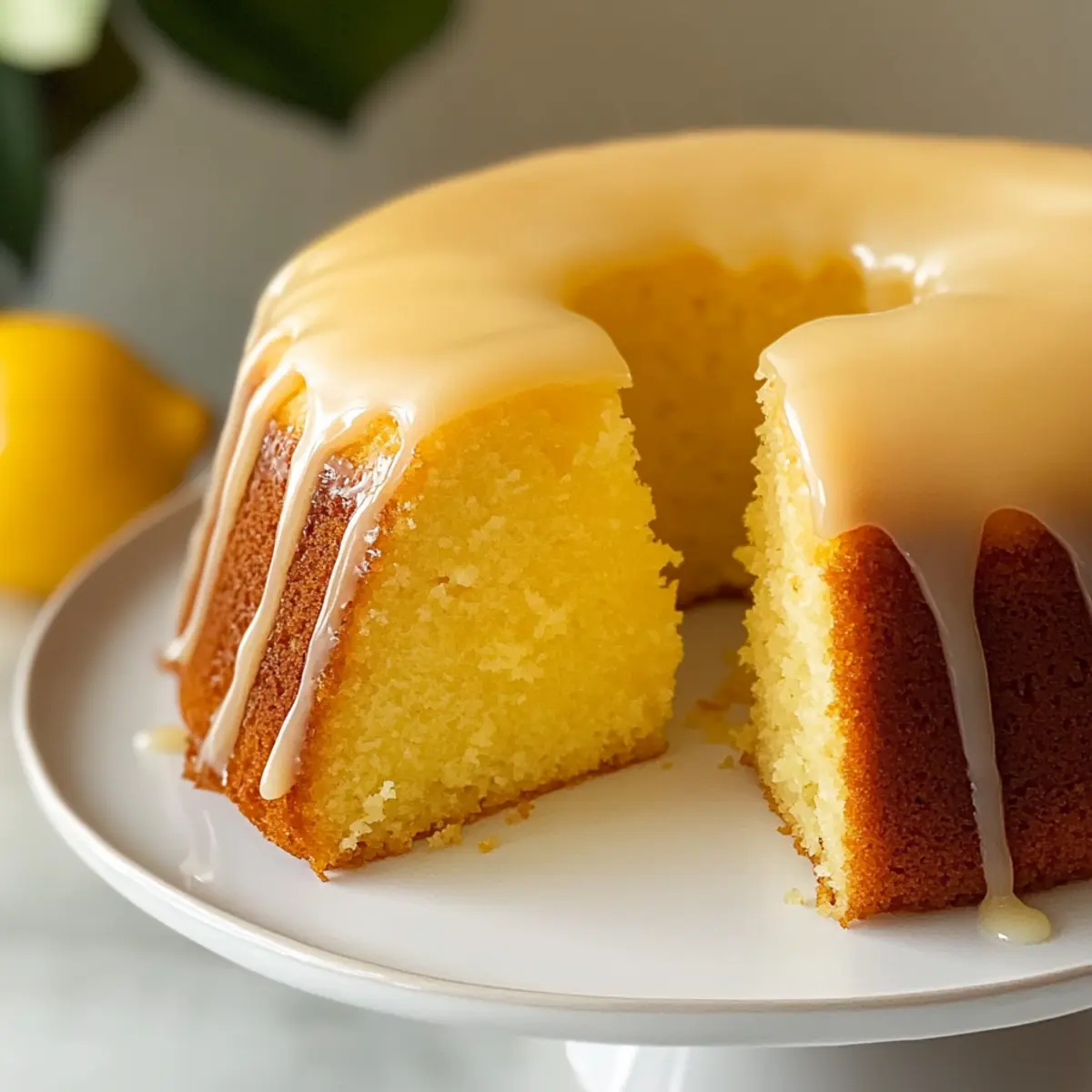
As I sliced into this vibrant lemon cake, the zesty fragrance enveloped me like a warm hug, instantly lifting my spirits. It’s a delightful balance of sweetness and tartness, making it a perfect dessert to brighten any occasion. This easy-to-make lemon cake is ideal for novice bakers and seasoned chefs alike because it comes together in just one bowl! The rich and moist texture, thanks to the addition of sour cream, promises to impress anyone lucky enough to share a slice. Whether you’re hosting a gathering or simply treating yourself to some homemade goodness, this lemon cake is sure to be a hit. Curious about how to whip up this luscious treat and fill your kitchen with its invigorating aroma? Let’s dive into the recipe!
Why You’ll Adore This Lemon Cake?
Simplicity in Preparation: This recipe is a breeze, requiring only one bowl and minimal effort—perfect for both novice bakers and seasoned pros.
Moist and Flavorful: Thanks to sour cream, every bite stays incredibly moist, while fresh lemons provide a vibrant zing that refreshes your palate.
Versatile Serving Options: Dress it up with a dusting of powdered sugar or a dollop of whipped cream, making it an elegant dessert for any gathering.
Time-Saving Delight: Bake this luscious cake in just about an hour, allowing you more time to enjoy with friends and family.
Crowd-Pleasing Appeal: Whether it’s a casual family dinner or a special celebration, this lemon cake is sure to impress your guests. Want another delightful dessert? Check out my Baked Lemon Butter recipe for a tangy twist that complements this cake beautifully!
Lemon Cake Ingredients
• Here’s everything you need to create this mouthwatering lemon cake!
For the Cake
- All-Purpose Flour – Provides structure; you can substitute with gluten-free flour for a gluten-free option.
- Baking Powder – A leavening agent; make sure it’s fresh for the best rise.
- Salt – Enhances flavor; kosher or table salt both work well.
- Unsalted Butter – Adds moisture and richness; margarine or non-dairy alternatives can be used.
- Granulated Sugar – Sweetens the cake; you can opt for brown sugar for a deeper flavor.
- Eggs – Bind ingredients and add moisture; use room temperature for better mixing.
- Pure Vanilla Extract – Enhances sweetness and depth of flavor.
- Lemon Zest – Provides aromatic oils and strong lemon flavor; always use fresh for the best results.
- Fresh Lemon Juice – Adds that essential tartness; avoid bottled for a true taste.
- Buttermilk – Creates tenderness and moisture; mix milk with vinegar as a substitute.
For the Syrup
- Fresh Lemon Juice – Mirrors the cake’s flavor; don’t skip for that extra zing!
- Powdered Sugar – Sweetens the syrup; ensures a smooth texture.
For the Glaze
- Powdered Sugar – Forms the base of the glaze; sift for a clump-free drizzle.
- Fresh Lemon Juice – Brightens flavor; can be combined with milk for creaminess.
- Milk – Adjusts consistency; use whole milk for a richer glaze.
Now that you have all the ingredients, you’re just steps away from indulging in this irresistibly delicious lemon cake!
Step‑by‑Step Instructions for A Lemon Cake to Die For
Step 1: Preheat Oven
Begin by preheating your oven to 350°F (175°C) and preparing a 9×5-inch loaf pan. Grease the pan with butter or non-stick spray, ensuring it’s well-coated to prevent sticking. This initial step sets the stage for your luscious lemon cake, ensuring it’s perfectly cooked through to a golden brown.
Step 2: Mix Dry Ingredients
In a medium bowl, whisk together 2 cups of all-purpose flour, 1 ½ tsp of baking powder, and ½ tsp of salt until well combined. This mixture will create the structure of your cake. Set it aside while you focus on the wet ingredients, making sure every component is ready for seamless mixing later.
Step 3: Cream Butter and Sugar
In a large mixing bowl, beat ½ cup of softened unsalted butter and 1 cup of granulated sugar together with a hand mixer or stand mixer for about 3 minutes, or until the mixture is light and fluffy. This step adds air to your batter, crucial for achieving that moist and tender crumb in your amazing lemon cake.
Step 4: Add Eggs and Flavorings
Now, incorporate 3 large eggs one at a time into the butter mixture, mixing well after each addition. Add in 1 tsp of pure vanilla extract, the zest of 2 fresh lemons, and ¼ cup of fresh lemon juice. Blend until fully combined, allowing the citrus aromas to fill your kitchen and bring the essence of the lemon cake to life.
Step 5: Combine Mixtures
Gradually add the dry flour mixture to the wet ingredients, alternating it with ½ cup of buttermilk. Start and end with the flour, mixing gently until just incorporated. Be careful not to overmix, as this will ensure your lemon cake remains light and fluffy. Once mixed, the batter should be thick and creamy, ready for baking.
Step 6: Bake
Pour the batter into the prepared loaf pan, smoothing the top with a spatula. Place it in the preheated oven and bake for 50–60 minutes. You’ll know it’s ready when a toothpick inserted in the center comes out clean and the top is a lovely golden brown. If it browns too quickly, lightly cover it with foil.
Step 7: Make Syrup
While your lemon cake is baking, whip up a syrup by combining ¼ cup of fresh lemon juice with ½ cup of powdered sugar in a small bowl. Whisk until smooth; this syrup will add a deliciously zesty finish to your cake. The contrasting sweetness will perfectly complement the vibrant flavor of the cake.
Step 8: Soak Cake
Once the cake has finished baking, let it cool in the pan for about 10 minutes. Poke small holes into the top with a toothpick or fork, then brush the prepared lemon syrup generously over the warm cake. This step infuses the cake with extra moisture and lemon flavor, making every bite irresistible.
Step 9: Prepare Glaze
In a separate bowl, mix together 1 cup of powdered sugar, 2 tbsp of fresh lemon juice, and 1 tbsp of milk until smooth. This glaze should be pourable but thick enough to drizzle. Adjust it with more milk or powdered sugar to reach your desired consistency; a perfectly luscious glaze will enhance your lemon cake’s appearance.
Step 10: Glaze and Serve
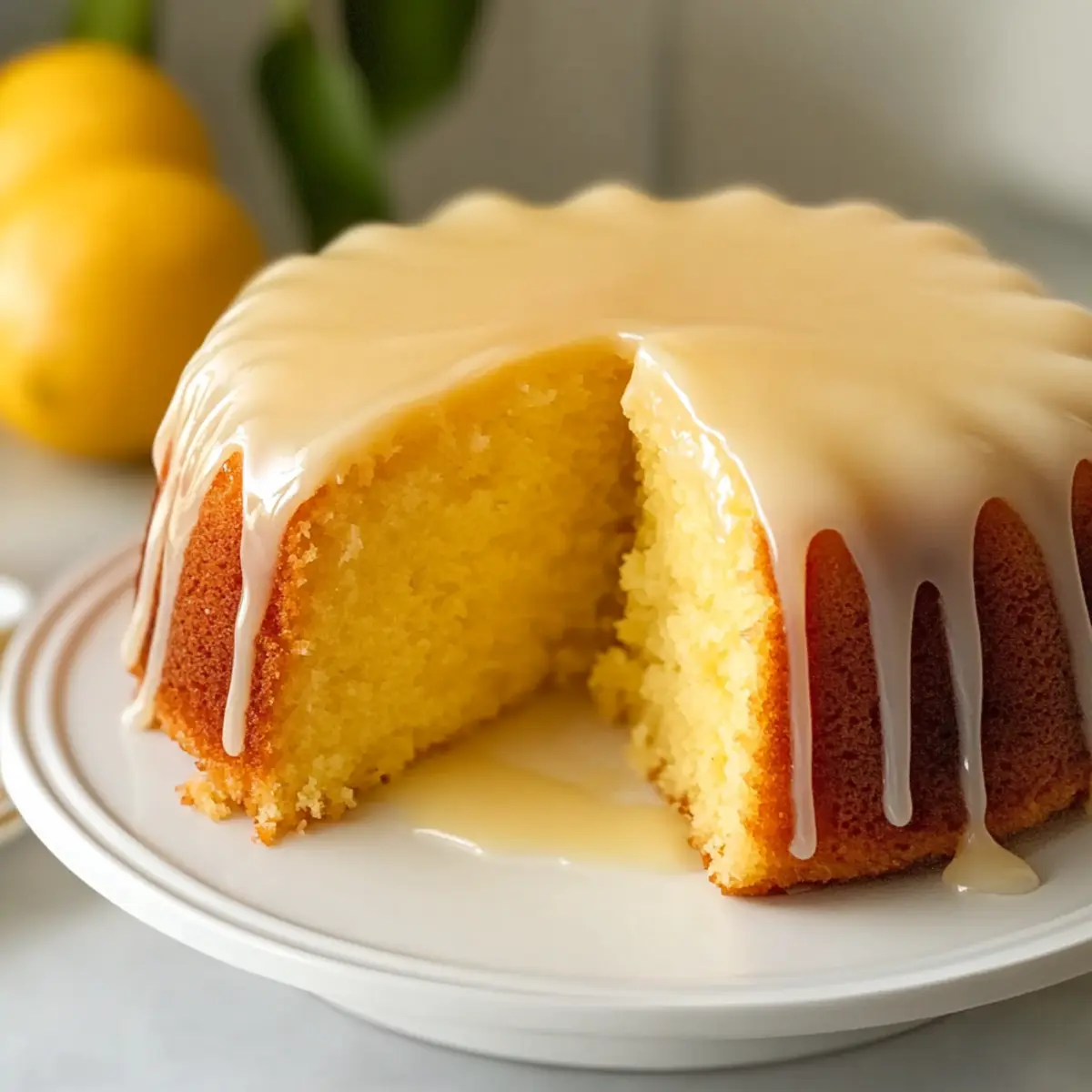
After the cake has cooled completely, drizzle the glaze over the top, allowing it to cascade down the sides. Let it sit for a few minutes for the glaze to set, creating a beautiful shiny finish. Once ready, slice and serve your fabulous lemon cake, delighting in its moist texture and vibrant flavor!

How to Store and Freeze Lemon Cake
Room Temperature: Store the lemon cake covered at room temperature for up to 3 days to maintain its moisture and flavor. Use a cake dome or wrap it in plastic wrap for best results.
Fridge: If you plan to keep it longer, refrigerate the cake for up to a week. Wrap it tightly in plastic wrap to prevent drying out. Allow it to reach room temperature before serving for optimal taste.
Freezer: You can freeze slices of lemon cake for up to 3 months. Wrap them individually in plastic wrap, then place them in an airtight container or a freezer bag. Thaw in the refrigerator before enjoying.
Reheating: If you like your cake warmed, simply place a slice in the microwave for about 10-15 seconds. This method revives the moistness and brings out the zesty flavors beautifully!
What to Serve with A Lemon Cake to Die For
This vibrant dessert invites a symphony of flavors, making meal-planning a delightful experience for any occasion.
- Fresh Berries: Juicy strawberries or blueberries add a pop of color and a sweet-tart contrast to the zesty lemon cake.
- Whipped Cream: Light and airy, a dollop of freshly whipped cream elevates each slice and adds a creamy touch.
- Lemon Sorbet: This frozen treat provides a refreshing and tangy companion, enhancing the cake’s citrus notes while cooling you down.
Pairing light, fruity options with the richness of the cake brings a well-rounded experience for your palate. Each choice emphasizes freshness and balance, creating a perfect ending to any gathering.
- Iced Tea: A chilled glass of sweetened iced tea offers a southern charm alongside your lemon delight, refreshing every bite.
- Poppy Seed Muffins: These muffins bring a delicious crunch that complements the moist cake and adds an extra layer of flavor.
- Coconut Macaroons: Sweet and chewy, these treats introduce tropical flavors that harmonize beautifully with the lemony sweetness.
Each pairing enriches the overall experience, inviting friends and family to savor a truly memorable dessert setting.
Lemon Cake: Variations & Substitutions
Feel free to customize this delectable lemon cake and make it your own with these suggestions that will excite your taste buds!
-
Dairy-Free: Substitute unsalted butter with coconut oil or a dairy-free margarine for an equally moist cake that everyone can enjoy.
-
Gluten-Free: Replace all-purpose flour with a 1:1 gluten-free flour blend to create a delightful cake that caters to those with gluten sensitivities. Your loved ones won’t taste the difference!
-
Extra Zesty: Add in a tablespoon of orange or lime zest along with the lemon for a refreshing twist that brightens the flavor of the cake.
-
Herbal Infusion: Incorporate a tablespoon of fresh thyme or rosemary for an unexpected yet delightful flavor contrast that pairs beautifully with the citrus.
-
Fruity Surprise: Fold in some fresh berries, like raspberries or blueberries, into the batter just before baking for a burst of fruity flavor and added color.
-
Poppy Seed Crunch: Mix in 2 tablespoons of poppy seeds to the batter for a fun texture that enhances the overall experience of this lovely lemon cake.
-
Spicy Kick: For those who enjoy a bit of heat, add a pinch of cayenne pepper or ginger to the batter, elevating the lemon flavor with a gentle warmth.
-
Flavored Glaze: Swap the regular glaze for a lavender or rose-infused version by steeping lavender or rose petals in warm milk before mixing them into the glaze, offering an exquisite twist to the classic frosting.
Ready to elevate your lemon cake experience? Also, if you’re enjoying lemon-infused delights, don’t miss my enchanting Baked Lemon Butter for a tangy twist on a savory dish or indulge in my luscious Gingerbread Latte Cake for a sweet finish!
Tips for the Best Lemon Cake
-
Room Temperature Ingredients: Use room temperature eggs and butter for a smoother batter that incorporates better, ensuring your lemon cake has a light and airy texture.
-
Mind the Mixing: Avoid overmixing the batter once you combine the dry and wet ingredients. Overmixing can lead to a dense cake, so mix just until incorporated.
-
Freshness Matters: Always opt for fresh lemons instead of bottled juice. Fresh lemon juice and zest provide the vibrant flavor that makes your lemon cake stand out.
-
Cooling Time: Let your cake cool completely before glazing. If the cake is too warm, the glaze will melt into a puddle rather than remain a beautiful drizzle.
-
Syrup Soaking: Don’t skip the soaking step! Brushing the lemon syrup over the warm cake enhances moisture and boosts the lemon flavor to create a truly irresistible lemon cake.
Make Ahead Options
These Lemon Cake make ahead options are perfect for busy home cooks looking to save time without sacrificing flavor! You can prepare the cake batter up to 24 hours in advance; simply mix everything in a bowl, cover it tightly, and refrigerate. Alternatively, bake the cake and store it at room temperature for up to 3 days before glazing. To maintain that delightful moistness, avoid adding the glaze until just before serving. When you’re ready to enjoy, simply glaze the cooled cake and serve—it will be just as delicious! These tips make making lemon cake a breeze, allowing you to spend more time with family and less in the kitchen!
A Lemon Cake to Die For Recipe FAQs
What kind of lemons should I use for the best flavor?
Absolutely use fresh, ripe lemons! Look for lemons with a vibrant yellow color and a slightly soft feel when you press them. Avoid any that have dark spots or blemishes, as these can indicate overripeness. Fresh lemons provide strong aromatic oils and an invigorating flavor that bottled lemon juice simply can’t replicate.
How long can I store my lemon cake, and what’s the best method?
You can store your lemon cake covered at room temperature for up to 3 days to maintain its moisture and flavor. If you’d like to keep it longer, refrigerating it is an option—just wrap it tightly in plastic wrap for up to a week. Before serving, allow it to come to room temperature for the best taste.
Can I freeze lemon cake, and how should I do it?
Yes! You can freeze slices of lemon cake for up to 3 months. Wrap each slice individually in plastic wrap to protect it, then place the slices in an airtight container or freezer bag. When you’re ready to enjoy, simply thaw in the refrigerator overnight, or pop a slice in the microwave for 10-15 seconds to warm it up.
What if my lemon cake turns out dense?
This can happen if you overmix the batter or use cold ingredients. To prevent this, make sure your butter and eggs are at room temperature before starting. Mix the dry and wet ingredients just until combined—no need to overdo it! If the cake is still dense, consider sifting the flour beforehand for a lighter texture.
Is this lemon cake safe for those with food allergies?
While this recipe is vegetarian-friendly, be cautious with allergens. It contains eggs, dairy, and gluten. If you have guests with allergies, consider using gluten-free flour and a dairy substitute like almond milk and dairy-free butter. Always check the ingredient labels to ensure they are safe for anyone with allergies.
How can I enhance the flavor of my lemon cake?
The more the merrier! You can add poppy seeds for texture or integrate other citrus zests such as orange or lime for a unique twist. Additionally, consider making a lemon curd filling or frosting to amp up the citrus experience for an extra special treat.

Irresistibly Moist Lemon Cake Simple and Delightful Bliss
Ingredients
Equipment
Method
- Preheat your oven to 350°F (175°C) and prepare a 9x5-inch loaf pan by greasing it with butter or non-stick spray.

- In a medium bowl, whisk together all-purpose flour, baking powder, and salt until well combined.
- In a large mixing bowl, beat softened unsalted butter and granulated sugar until light and fluffy.
- Incorporate eggs one at a time, mixing well after each addition, then add vanilla extract, lemon zest, and lemon juice.
- Gradually add the dry mixture to the wet ingredients, alternating with buttermilk, mixing gently until just incorporated.
- Pour the batter into the prepared loaf pan and bake for 50–60 minutes, or until a toothpick comes out clean.
- While the cake is baking, whisk together fresh lemon juice and powdered sugar for the syrup.
- Let the cake cool for about 10 minutes, then poke holes in the top and brush the lemon syrup over it.
- Mix together powdered sugar, lemon juice, and milk for the glaze until smooth; adjust consistency as needed.
- Once the cake is cool, drizzle the glaze over the top and allow it to set before serving.
Leave a Reply